The nine signs
- Ceiling stains. Brown or yellow rings that grow, especially after rain or when a bathroom above is used.
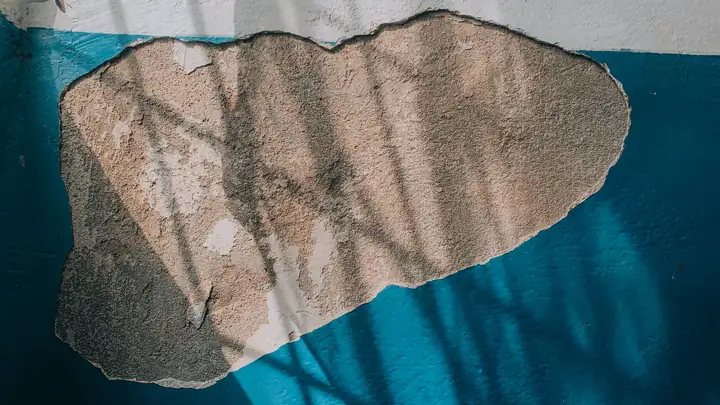
- Bubbling, peeling or cracking paint or wallpaper, often a sign moisture is behind it.
- Warped, cupped or buckled floors. Wood and laminate swell when they absorb moisture.
- Soft or crumbly drywall. Press gently near the baseboard. A soft spot means it is wet or has been.
- A musty smell in a room, closet or cabinet with no visible cause.
- Visible mold or dark spots. Mold needs moisture, so find the water as well as the mold.
- A rising water bill with no change in use. The sound of running water when everything is off is another hint.
- Warm or damp spots on the floor, which can point to a slab leak under concrete.
- Sticking doors and windows in a house that did not have the problem before, since swollen framing can change how they fit.
Where to look first in Florida homes
- Under sinks and around the base of toilets.
- Around the air handler and under AC condensate drain lines.
- The ceiling below an upstairs bathroom.
- Along exterior walls beneath windows after storms.
- Behind refrigerators and washing machines.
- The attic underside of the roof after wind events.
What to do when you see a sign
- Stop the source if you can find it. See the leak guide.
- Photograph the signs and note the date.
- Do not just paint over a stain. Paint hides the stain, not the moisture.
- Have a professional measure moisture if the cause is unclear.
- Dry the area. The U.S. EPA advises drying water-damaged areas and items within 24 to 48 hours to help prevent mold growth.
When to call a professional
Call a plumber if you suspect a leak, a roofer if water enters from above, and a restoration provider if materials are wet. If you see mold, read how to help prevent mold after water damage.